Fotona 4D Laser Facial (TimeWalker) Encino, CA: Questions to Ask Before Treatment
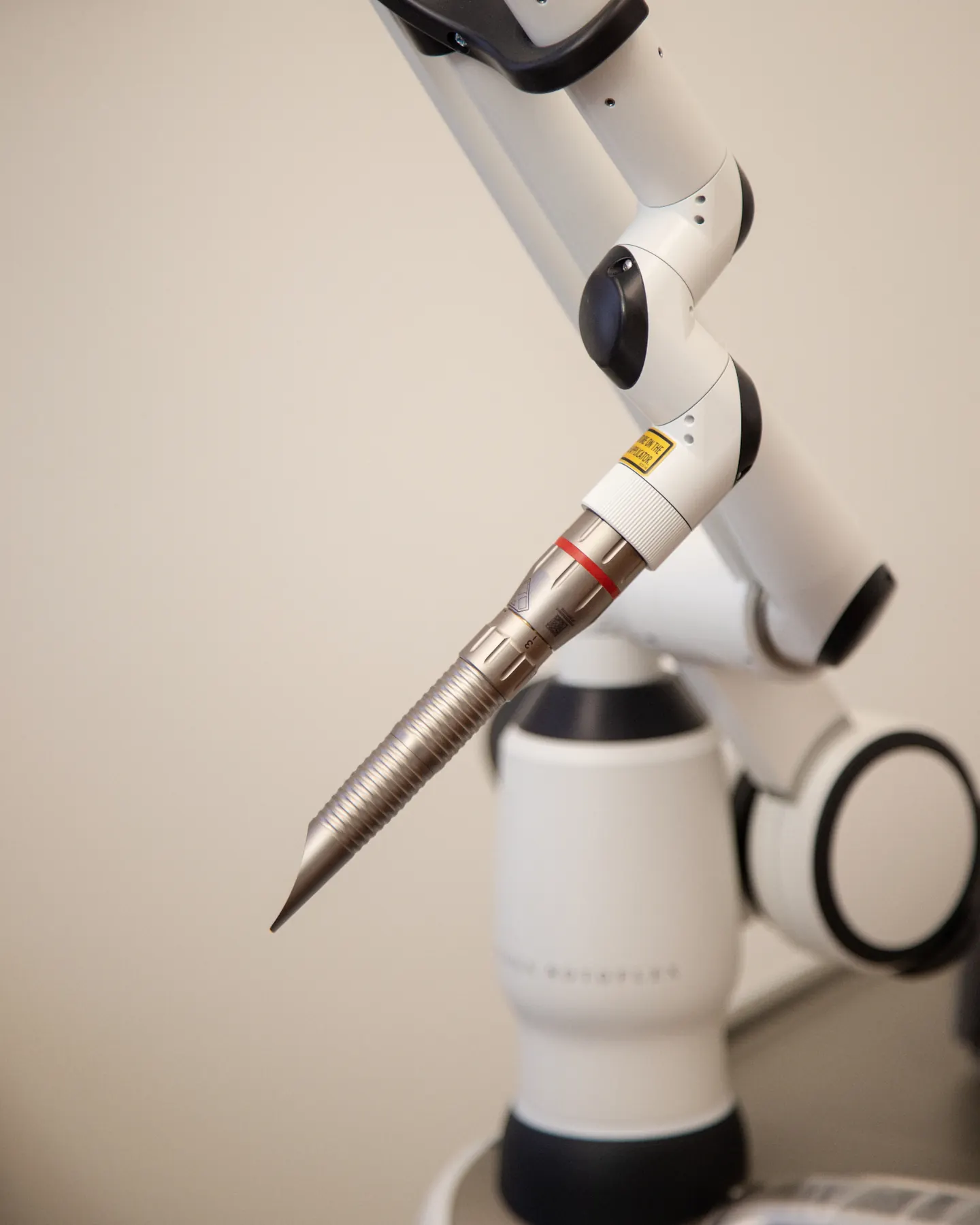
Interest in non-surgical skin rejuvenation has grown for good reason. Many people want visible improvement without the downtime, scarring, or recovery curve that can come with more invasive procedures. Among the treatments that often come up in consultations is the Fotona 4D Laser Facial, sometimes discussed alongside the TimeWalker platform. If you are considering a Fotona 4D Laser Facial (TimeWalker) Encino, CA, the quality of the treatment matters, but the quality of your questions matters just as much.
That is not just a nice idea. In practice, the difference between a satisfying result and a disappointing one often starts before the laser ever touches the skin. It starts in the consultation room, with how clearly the provider explains candidacy, expectations, treatment settings, safety, downtime, and the logic behind their plan. Patients who ask better questions tend to make better decisions. They also tend to spot vague answers faster.
A laser facial is not a haircut. It is not something to choose based only on a social media before-and-after or a discount offer that expires on Friday. Devices can be excellent, but devices do not treat people on their own. Technique, patient selection, skin assessment, and follow-up all shape the final outcome.
What makes Fotona 4D different from a standard facial
The word facial can make this Fotona 4D Laser Facial (TimeWalker) Encino, CA treatment sound softer or simpler than it is. A Fotona 4D treatment is laser-based rejuvenation. It is generally designed to address tone, texture, laxity, and signs of aging through a combination of treatment modes that may work on both superficial and deeper layers. Depending on the provider’s approach and your skin’s needs, the treatment may involve intraoral work, external tightening, fractional resurfacing, or a blend of these.
That matters because a patient may walk in expecting a relaxing spa service and walk out surprised by the intensity, heat, or aftercare. I have seen this misunderstanding happen often with laser treatments that are marketed too casually. The better clinics explain the difference plainly. They tell you what it feels like, how long redness may last, whether swelling is likely, and when makeup or workouts should wait.
The name TimeWalker can also create confusion. Some practices use it in a way that overlaps with Fotona rejuvenation protocols, but you should not assume every provider means the exact same thing when they say it. Ask what protocol they use, which handpieces or modes are involved, and what part of the treatment plan is customized for your skin. A branded name is not the treatment itself. The details are.
Start with the most important question: am I actually a good candidate?
This is the first place a consultation should become specific. A thoughtful provider will not automatically say yes. They should want to know about your skin type, pigmentation history, melasma, recent sun exposure, active acne, rosacea flares, medication use, history of cold sores, previous resurfacing, filler placement, and how your skin tends to heal.
Not every concern is best treated with Fotona 4D. If your main issue is heavy jowling, a laser may improve skin quality but not create the lift you are imagining. If your deepest frustration is etched-in acne scarring, the provider may recommend a different resurfacing strategy or a staged approach. If you struggle with post-inflammatory hyperpigmentation, settings and timing become more important, and in some cases a different plan may be safer.
A good sign during consultation is when the provider distinguishes between what the treatment can improve and what it cannot. A red flag is broad language like “It works for everyone” or “You’ll look ten years younger after one session.” Experienced clinicians tend to talk in ranges, not absolutes. They explain that mild laxity may respond better than severe laxity. Fine textural changes may improve faster than deep folds. Skin quality often improves before structural sagging does.
Ask what problem they are treating, not just what machine they own
One of the easiest mistakes patients make is shopping by device name alone. The machine matters, but the treatment objective matters more. Ask your provider exactly what they see when they examine your face and how the laser plan addresses those findings.
For example, one patient may need more emphasis on perioral lines and textural refinement. Another may be a stronger candidate for collagen stimulation and mild tightening through deeper heating. A third may have excellent skin tone but early lower-face laxity, where realistic counseling becomes especially important. When a provider can explain your treatment in those terms, you are more likely to receive care that fits your face rather than a standard package sold to everyone.
In Encino, where patients are often balancing work, social obligations, camera exposure, and outdoor lifestyle, downtime is not a minor issue. The same treatment that makes sense for someone with a flexible schedule may not be ideal for someone with a week of meetings, school pickup, and a weekend event in bright California sun. Your provider should adapt the plan to your life, not just to the laser manual.
Questions that reveal the provider’s experience
When patients tell me they are comparing clinics, I usually suggest listening for the quality of the answers rather than the polish of the sales pitch. Experience shows up in nuance. It sounds measured. It includes caveats. It does not flatten every case into a simple yes.
Here are five questions worth asking in the room:
- How often do you perform Fotona 4D or TimeWalker-based rejuvenation treatments?
- What changes do you realistically expect in my skin after one session, and after a full series?
- What risks do you watch most closely for with my skin type and history?
- Who will actually perform the treatment, and what training do they have on this platform?
- If I do not respond as expected, how would you adjust the plan?
These questions do two useful things. First, they move the conversation from branding to judgment. Second, they make it harder for a practice to rely on generalities. If the answer to every question is “It depends” with no further explanation, keep looking. “It depends” can be honest, but it should be followed by the factors that shape the answer.
Ask how many sessions they expect you will need
Single-session marketing is common because it is attractive. Real treatment planning is rarely that simple. Some patients do notice brightness, smoothness, or a refreshed look after one appointment. But collagen remodeling and cumulative improvement often require a series, especially when the Fotona 4D Laser Facial (TimeWalker) Encino, CA omniawellnesscenterencino.com goals include texture, fine lines, or mild tightening.
This is one area where directness saves frustration. Ask whether they recommend one treatment, a series of two to four, or a phased plan over several months. Ask how far apart the sessions are usually scheduled. Ask when the best result tends to appear, because the answer is not always immediate. Some benefits may show up as swelling settles and the skin recovers, while others emerge gradually as remodeling develops.
If a provider tells you that one treatment may help but a series is more realistic, that is not necessarily upselling. It may simply be accurate. The key is whether the recommendation is tailored and explained. If every patient is told to buy the same package before anyone examines their skin closely, that is a different story.
Understand downtime before you commit
A lot of disappointment around laser treatment has less to do with poor results and more to do with poor planning. People schedule too close to weddings, headshots, travel, or major work events. Then normal redness or temporary roughness feels like a crisis.
Ask exactly what recovery looks like in the first twenty-four hours, the first three days, and the first week. Some versions of treatment may leave you pink and mildly puffy. Others can create a rough, sandpapery feel, temporary bronzing, or peeling depending on intensity. If intraoral treatment is included, you may also want to know whether the mouth area feels tender or swollen afterward.
In Southern California, sun exposure is not an afterthought. Even a quick lunch patio, school soccer game, or drive with strong afternoon light can matter when your skin is freshly treated. If you are seeking a Fotona 4D Laser Facial (TimeWalker) Encino, CA, ask how strict sun precautions need to be afterward and for how long. A responsible provider will be very clear on this point.
Do not skip the skin tone and pigmentation discussion
This conversation should be detailed, not rushed. Any laser that interacts with skin can carry pigmentation risk, especially in patients with more melanin-rich skin or those with a history of hyperpigmentation, melasma, or slow inflammatory recovery. This does not automatically rule treatment out, but it does change how carefully settings, timing, priming, and aftercare should be handled.
A provider with real experience should ask whether you have darkened after previous procedures, bug bites, acne, waxing, or even minor irritation. That history often tells more than a quick visual scan. They should also ask about tanning, self-tanner, retinoids, exfoliants, and recent sun. In my experience, this is where careful clinics separate themselves. They would rather postpone a treatment than push through on skin that is too recently exposed, sensitized, or unstable.
If your pigmentation history is complicated, ask what their plan is if darkening occurs. Not because you expect a problem, but because preparedness matters. The confidence you want is not “Nothing ever goes wrong.” It is “If your skin reacts in a certain way, here is how we manage it.”
Ask about comfort, not just results
Patients often focus so much on the mirror that they forget to ask what the treatment feels like. Comfort matters because it affects anxiety, movement during treatment, and your willingness to complete a series. Some areas are easy. Others, especially around the mouth or under the eyes, can feel much more intense.
Ask whether they use topical numbing, cooling, Zimmer air, or other comfort measures. Ask which parts of the treatment are usually the warmest or sharpest. Ask whether the intraoral portion, if included, feels strange or uncomfortable. You do not need to dramatize it, but you do deserve a truthful answer.
The best consultations normalize this discussion. They do not dismiss pain concerns with “It’s totally fine” unless they are defining what fine means. One patient’s fine is another patient’s miserable. A seasoned provider will usually say something more useful, such as, “Most people tolerate it well, but the upper lip and around the mouth can be the spiciest areas.”
Clarify who is doing what on treatment day
This sounds basic, but it is often glossed over. In some practices, the consultation is with one person and the actual treatment is performed by someone else. That is not inherently a problem. Plenty of excellent treatments are performed by highly trained nurses or laser specialists under appropriate medical oversight. The issue is transparency.
Ask who evaluates your skin, who chooses settings, who performs the treatment, and who is available if you have concerns afterward. You should know whether a physician is directly involved, what the experience level of the treating clinician is, and how post-treatment questions are handled.
When clinics become vague here, patients tend to assume more oversight than actually exists. Clear answers are a sign of a well-run practice.
Pricing is not just the price per session
Laser consultations can become slippery around cost because the advertised figure may not reflect the actual plan. One fee may include only a limited version of treatment, while another includes a fuller protocol, topical anesthetic, post-care products, or follow-up assessment. Ask what is included and whether the quote reflects your real treatment or a starting price.
Also ask what happens if you need more than expected. Will additional sessions be billed at the same rate? Are there package discounts, and if so, do they lock you into a plan before you know how your skin responds? A fair clinic should be able to explain cost structure without evasiveness or pressure.
Cheapest is rarely best with lasers. That does not mean highest priced is automatically best either. What you are looking for is coherence: the expertise, technology, safety protocols, and expected outcome should make sense together.
Ask how they handle the neck, eyes, and mouth area
Patients often come in focused on the face and then realize later that untreated surrounding areas can make the face look improved but not fully harmonious. If your concerns include crepey lower eyelids, upper lip lines, or neck texture, ask whether those areas are included, optional, or better treated separately.
This is especially important because not all zones tolerate the same intensity. The skin around the eyes behaves differently than the cheeks. The neck is often slower to respond and can be more reactive. The area around the mouth may improve beautifully in some patients, but it also tends to be where expectations run high because those lines can be stubborn.
A thoughtful provider will explain where laser treatment is likely to make the most visible difference on your face, and where it may offer only modest change.
Red flags during the consultation
Not every warning sign is dramatic. Sometimes the problem is simply a lack of specificity. In my experience, the most concerning consultations are not the ones where a provider says no. They are the ones where every question gets a shiny but empty yes.
Watch for a few patterns:
- Your skin is barely examined before treatment is recommended.
- Risks are minimized or brushed off instead of explained.
- The provider cannot clearly describe the treatment protocol for your case.
- Before-and-after photos shown to you do not resemble your age, skin type, or concerns.
- You feel pressured to buy a package on the spot.
A strong consultation usually feels collaborative. A weak one feels sales-driven. If you leave without a clearer understanding of what will happen, why it fits your skin, and what the trade-offs are, keep your options open.
The role of photos and follow-up
Before-and-after photography is not vanity. It is documentation. Good clinics take standardized photos because subtle skin changes are harder to judge from memory than patients expect. Lighting, angle, and expression can fool the eye. If you are paying for a treatment series, proper photography helps everyone assess progress honestly.
Follow-up matters too. Ask when they want to see you again and what they look for at that visit. Some practices are excellent on the day of treatment and weak afterward. Others use follow-up well, adjusting plans based on healing, response, and any unexpected sensitivity. That ongoing judgment is part of the value you are paying for.
If you have fillers, Botox, or other recent treatments
This is a common real-world issue, especially in aesthetic practices where patients often combine treatments. Tell your provider about recent neurotoxin, filler, peels, microneedling, radiofrequency, and any prescription skincare. Even if a combination plan is appropriate, timing matters.
A laser treatment too close to another procedure can increase irritation, confuse the source of swelling, or complicate your result. It can also be perfectly reasonable when planned properly. The point is not to avoid combinations. It is to coordinate them intelligently.
What realistic success looks like
Most happy laser patients are not the ones who expect magic. They are the ones who understand what improvement looks like in their specific case. Sometimes success means skin that looks smoother and fresher in natural light. Sometimes it means makeup sits better. Sometimes it means the face appears less tired because texture and tone are more even. These changes can be meaningful without being dramatic.
For mild to moderate signs of aging, a Fotona 4D Laser Facial (TimeWalker) Encino, CA can be a strong option when the provider is skilled and the plan is well matched to the patient. The best outcomes usually come from that pairing: realistic goals and precise execution.
The consultation should leave you with a grounded sense of what the treatment can deliver, how your skin is likely to react, and whether the provider has the judgment to guide you through the process. If you ask careful questions and get careful answers, you are already on the right track.
OMNIA Wellness Center
16430 Ventura Blvd Ste 207, Encino, CA 91436
Phone: +1 818-386-8511
FAQ About Fotona 4D Laser Facial (TimeWalker) Encino, CA
What is a Fotona laser good for?
Fotona lasers support several different aesthetic protocols. The Fotona 4D facial uses two wavelengths and four treatment modes to address concerns such as fine lines, skin texture, and mild laxity. OMNIA Wellness Center offers the TimeWalker facial with an individual consultation. Suitability and likely improvement depend on the person's skin and goals; results are not guaranteed, and this treatment does not reproduce a surgical facelift.
How much does a Fotona laser treatment cost?
The cost depends on the treatment protocol, areas treated, number of sessions, and provider's assessment. Ask OMNIA Wellness Center for a current written quote that explains what is included, whether follow-up is included, and any proposed package terms. An individualized estimate is more useful than assuming that one advertised price applies to every facial treatment.
How much downtime is there after a Fotona laser procedure?
Recovery varies with the specific protocol and intensity. Fotona describes its 4D facial as having little to no downtime, but temporary redness or sensitivity can occur, and a stronger surface treatment can require more recovery. Ask the treating clinician what to expect from the planned settings, how to care for the skin afterward, and when to contact the clinic with concerns.