Understanding the 4 Steps of Fotona 4D Laser Facial (TimeWalker) in Encino, CA
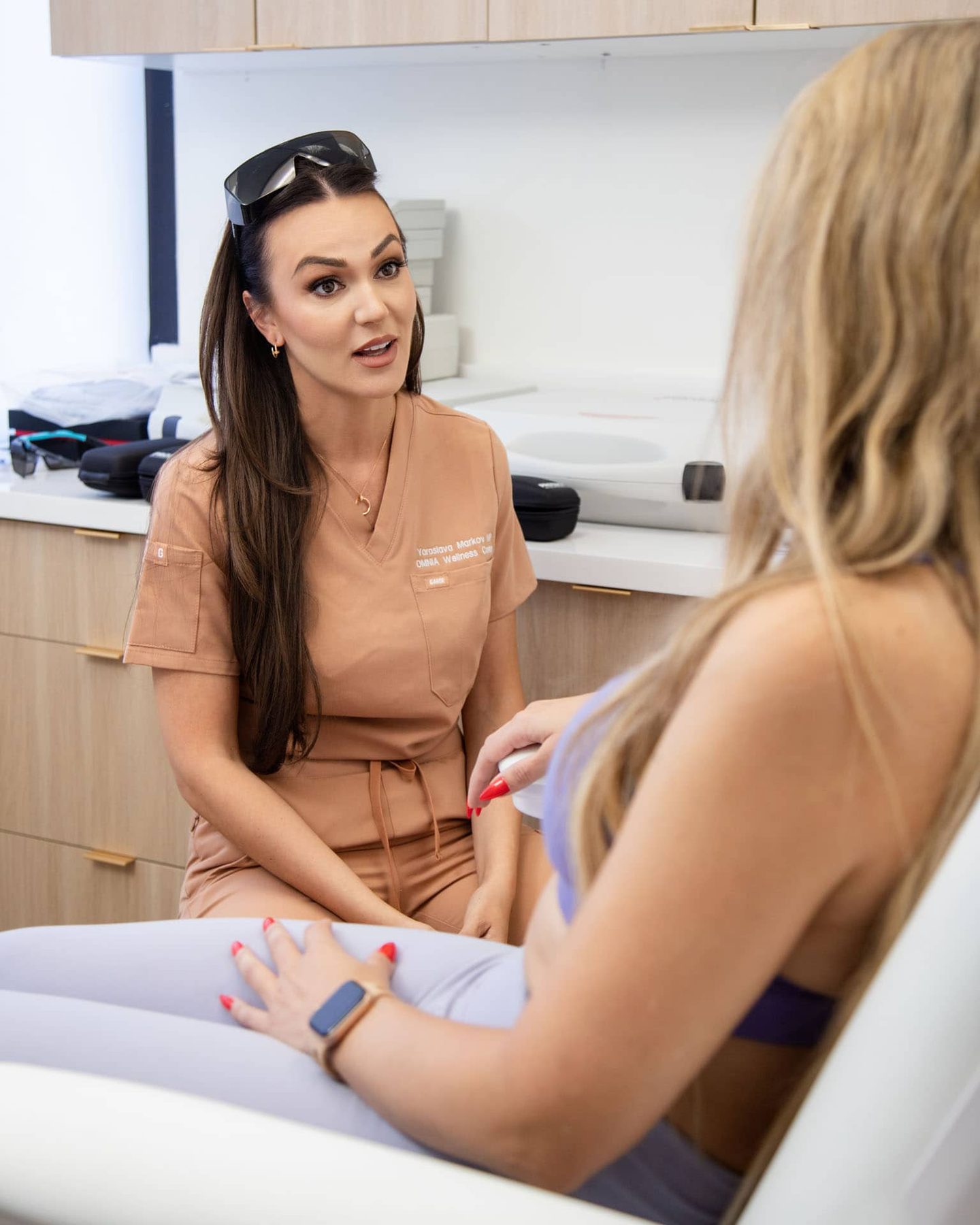
Patients usually come in asking a version of the same question: is there a way to tighten skin, soften lines, and refresh the face without looking overdone or taking a week off to recover? That question is exactly where the Fotona 4D Laser Facial, often associated with the TimeWalker platform, tends to enter the conversation. It appeals to people who want visible improvement but are not ready for surgery, aggressive resurfacing, or the social downtime that can come with deeper procedures.
What makes this treatment different is not just that it uses laser energy. It is that the treatment works in layers. Rather than relying on a single pass or one type of wavelength effect, Fotona 4D approaches facial rejuvenation through four coordinated steps. Each step targets a different tissue depth or concern, from the inside of the mouth to the skin surface. That layered strategy is why the treatment can address tone, texture, mild laxity, and contour in a single session plan.
For anyone researching a Fotona 4D Laser Facial (TimeWalker) Encino, CA, the most useful place to start is with the treatment sequence itself. Once you understand what each stage is designed to do, the name starts to make sense, and so do the results patients often notice over the weeks that follow.
Why the treatment is called “4D”
The “4D” refers to four dimensions of rejuvenation, not four separate appointments. The treatment combines four laser modes in one session or series, each one chosen for a specific effect. Some steps stimulate collagen in deeper layers. Others improve superficial texture and brightness. One of the most talked-about stages works from inside the oral cavity to support the perioral area and lower face. It sounds unusual the first time you hear it, but that intraoral portion is one reason the treatment developed such a strong reputation for subtle lifting around the mouth and nasolabial area.
This matters because facial aging is not a one-layer problem. Fine lines on the surface are only part of the picture. There is also collagen decline, gradual tissue laxity, changes around the mouth, rougher texture, enlarged pores, and uneven reflectivity of the skin. A treatment that only polishes the surface may help for a while, but it will not address deeper structural changes. Fotona 4D attempts to bridge that gap in a way many patients find easier to tolerate than more aggressive options.
In Encino, where patients often want treatments that fit into a normal workweek and a very visible social life, that balance between efficacy and recovery is a real advantage. People are not just asking whether something works. They are asking whether it works in a believable, livable way.
The four steps, and what each one does
The sequence can vary slightly by provider and patient needs, but the classic treatment includes four distinct stages:
- SmoothLiftin, performed inside the mouth to heat tissue and stimulate collagen in the perioral region.
- FRAC3, aimed at deeper imperfections and targeted correction of texture and pigment-related irregularities.
- PIANO, a bulk-heating step that warms deeper tissue for tightening and support.
- SupErficial, a light polishing stage that refines the skin surface and boosts glow.
That list is the framework. The value is in how the stages work together.
Step one: SmoothLiftin, the inside-out part most people have never heard of
If you have never had an intraoral laser treatment, this is the part that tends to surprise you. SmoothLiftin is delivered from inside the mouth, usually along the cheeks and perioral tissue. The idea is simple even if the technique sounds specialized: by heating the mucosal tissue and nearby support structures, the treatment stimulates collagen remodeling where early signs of facial aging often show up first.
In practical terms, this step is often used to soften the appearance of nasolabial folds, support the upper lip area, and improve fine lines around the mouth. It does not create the abrupt volume of filler, and it does not reposition tissue the way surgery can. What it can do, when performed appropriately and repeated as recommended, is encourage subtle tightening and better tissue quality in a zone that is notoriously difficult to treat well.
Patients usually describe the sensation as warmth rather than pain. The mouthpiece and technique matter, and so does operator experience. A well-delivered SmoothLiftin session should feel controlled, not chaotic. In the hands of an experienced provider, it is usually a tolerable part of the appointment, though people with a strong gag reflex or significant oral sensitivity may need a little more coaching.
One detail that often gets overlooked is who benefits most from this stage. It tends to be particularly useful for patients starting to notice lip lines, early jowling influence near the corners of the mouth, or that slightly “tired” softening around the lower face that does not yet warrant a surgical conversation. It can also complement injectables nicely because it works on tissue quality rather than simply adding volume.
Step two: FRAC3, where targeted correction begins
The second stage, FRAC3, is more selective. Instead of uniformly treating the skin, it directs energy toward deeper imperfections and problem areas. This can include textural irregularities, enlarged pores, acne scar remnants in some patients, and certain visible signs of photoaging. The treatment pattern is designed to trigger remodeling in a controlled way while limiting unnecessary injury to surrounding tissue.
This step is often where patients with uneven skin quality begin to see why the Fotona approach is more than a “lunchtime facial.” The laser is not just warming the skin. It is prompting a wound-healing response that can gradually reorganize collagen and improve how the skin behaves, not merely how it looks for a day or two.
That said, expectations matter. FRAC3 is not the same as a fully ablative resurfacing procedure, and it should not be sold as one. If someone has deep etched lines, advanced acne scarring, or pronounced laxity, the improvement may be meaningful but not transformative in one session. This is where honest consultation matters more than marketing language. The right patient is usually someone with mild to moderate concerns who wants cumulative improvement and a more natural finish.
Downtime after this step is often manageable. Some redness and mild swelling are common. Certain patients develop a rougher, sandpapery feel for a few days as the skin turns over. Makeup timing depends on how intensely the skin responds and what the provider recommends, but many patients resume normal social activity fairly quickly compared with stronger resurfacing treatments.
Step three: PIANO, the bulk-heating phase that supports tightening
PIANO is the tightening workhorse in the sequence. This stage uses a super-long pulse mode to safely heat deeper tissue in a broad, controlled fashion. The goal is not surface ablation. It is bulk heating, enough to stimulate collagen contraction and remodeling over time while keeping the skin comfortable and protected.
If you have ever wondered why some treatments create a brief glow but little meaningful firmness, this is often the missing piece. Skin tightening requires enough thermal effect at the right depth. Surface-only treatments can brighten, but they typically do not do much for laxity. PIANO is designed to push the treatment deeper, where collagen support and tissue firmness can actually change.
Patients often say this is the most comfortable portion because it can feel like sustained warmth, similar to a very hot stone massage concentrated on the face. Good technique is important here too. Too little energy and the treatment underdelivers. Too much or too quickly, and comfort drops off. The best results usually come from experienced providers who understand tissue response, not just device settings.
This step is especially helpful for patients who are beginning to notice softening along the jawline or a less crisp lower face. It is not a substitute for a lower facelift in someone with significant skin redundancy, but it can be a strong option for early intervention. In fact, some of the happiest patients are those who start before laxity becomes severe. Preventive or early corrective treatments often age better than waiting until the change is dramatic and then expecting one noninvasive procedure to reverse years of tissue descent.
Step four: SupErficial, the finishing pass patients tend to notice first
The final stage, SupErficial, is the most outwardly visible part of the treatment. This is the light polishing or peel-like phase that refines the skin surface, improves reflectivity, and adds that fresher, smoother look people often describe as looking more rested. Depending on settings and skin response, this can produce mild redness and a temporary bronzed or dry texture as the skin renews itself.
This finishing step matters because patients judge results in the mirror, and the mirror sees the surface first. Deeper collagen remodeling is valuable, but if the skin still looks dull, rough, or uneven, the overall result can feel underwhelming. SupErficial helps tie the treatment together by addressing brightness and texture at the top layer.
A useful way to think about it is this: SmoothLiftin supports from the inside, FRAC3 targets deeper imperfections, PIANO heats for tightening, and SupErficial creates the final polish. One stage without the others may still offer benefit, but the combined effect is what gives Fotona 4D its reputation.
What the appointment feels like in real life
People usually want the unfiltered version, not the brochure version. A typical treatment appointment starts with cleansing, photos, and a review of recent sun exposure, medications, and skincare. Eye protection is used during external laser passes. The provider may adjust settings based on skin type, sensitivity, and the specific concerns being treated.
The sensation changes from step to step. Inside the mouth, expect warmth and pressure more than stinging. During FRAC3, some areas may feel sharper, especially over thinner skin or bony points. PIANO usually feels deeply warm and rhythmic. SupErficial can create the most obvious “laser” sensation, often described as prickly heat. Tolerance varies, but many patients complete treatment without heavy numbing. Some providers use topical anesthetic selectively, while others keep it minimal depending on the treatment plan.
The whole session may take around 45 to 90 minutes depending on whether the full face, neck, or additional areas are included. That range is broad for a reason. Technique, customization, and prep time matter, and a rushed appointment rarely produces the best experience.
Who tends to be a good candidate
The best candidates are usually people with mild to moderate skin laxity, early lines, uneven texture, enlarged pores, and a general loss of skin vitality. It can suit a broad age range. A patient in their 30s may use it more preventively for collagen support and refinement. A patient in their 40s or 50s may focus on softening visible aging and maintaining structure without surgery.
There are limits, and they are important. If someone has pronounced sagging, significant excess skin, or very deep folds, a noninvasive laser treatment may help but will not replicate surgical change. Likewise, if the main issue is volume loss in the cheeks or temples, filler or biostimulatory injectables may do more than laser alone. Often the best outcomes come from combining modalities thoughtfully rather than expecting any single treatment to do everything.
Skin type also matters. Laser platforms can often be adjusted for different complexions, but not every setting is right for every patient. This is one reason choosing an experienced practice matters so much. The question is not whether a machine can fire energy. It is whether the provider can match the Fotona 4D Laser Facial (TimeWalker) Encino, CA treatment safely and effectively to the face in front of them.
Recovery, timing, and when results show up
One of the biggest practical advantages of a Fotona 4D Laser Facial (TimeWalker) Encino, CA is that recovery is often manageable for busy patients. “No downtime” is too simplistic and sometimes misleading. Most people do have some downtime, just not the kind that usually keeps them housebound.
Here is the realistic range many patients can expect:
- Mild redness and warmth for the first 24 to 48 hours.
- Temporary swelling, often subtle, especially around the cheeks or mouth.
- A rough or dry texture for several days as the skin renews.
- Gradual collagen-related improvement over the following weeks to months.
- Best results after a treatment series, not always after a single session.
That timeline is worth emphasizing. Some brightness can show up quickly. Tightening and textural improvement usually build more slowly. Collagen remodeling is a biological process, not an instant event. Patients who understand that tend to be happier because they are looking for progress, not overnight transformation.
Sun protection during the healing window is nonnegotiable. Freshly treated skin is more vulnerable, and careless sun exposure can undermine results or increase the risk of unwanted pigment changes. Gentle skincare, hydration, and avoidance of irritating actives for a few days are commonly advised, though exact instructions should come from the treating office.
How it compares with other facial rejuvenation options
Patients in Encino often compare Fotona 4D with microneedling, RF microneedling, IPL, fractional resurfacing, and injectables. Each has a place. Microneedling can improve texture and support collagen but may not provide the same multi-depth laser approach. RF microneedling can be excellent for tightening and acne scars, though the treatment experience and downtime profile differ. IPL targets pigment and redness well but does not function like a tightening treatment. Injectables can restore volume or relax dynamic lines but do not improve overall skin quality in the same way.
This is where the TimeWalker platform earns attention. It is not necessarily the best answer for every problem, but it is a versatile one. For patients who want one coordinated treatment that addresses several layers of aging at once, it can be a smart middle ground between lighter aesthetic maintenance and more aggressive procedures.
The trade-off is that subtle, cumulative treatments require patience and consistency. A single more aggressive treatment may create a bigger one-time change at the cost of more downtime. Fotona 4D often appeals to patients who prefer steady improvement with less disruption.
Why provider experience matters more than the device name
A sophisticated platform can still produce disappointing results if the treatment plan is generic. The most reliable outcomes usually come from providers who know when to lean into tightening, when to focus on texture, when to modify settings for thinner skin, and when to tell a patient that another treatment is actually a better fit.
I have seen one recurring issue across many aesthetic technologies: patients assume the machine determines the outcome. It does not. The provider’s assessment, restraint, and technical judgment shape the result just as much as the hardware. Two offices may advertise the same treatment name and deliver noticeably different experiences.
For someone exploring a Fotona 4D Laser Facial (TimeWalker) Encino, CA, consultation quality is one of the strongest clues about what comes next. A thoughtful consult should cover your goals, timeline, tolerance for downtime, history of cold sores if relevant, recent tanning, active skincare products, and whether you are expecting lifting, smoothing, brightening, or all three. If the conversation is vague or overly sales-driven, that is useful information too.
Questions worth asking before you book
A good consultation goes both ways. Patients who ask specific questions usually get better treatment planning because the provider can tailor the session around real priorities rather than assumptions. Ask how many sessions are typically recommended for concerns like yours. Ask what part of your result will likely show up first and what will take longer. Ask what recovery usually looks like in that office’s patient population, not in idealized marketing language.
It is also smart to ask how the practice handles combination care. Some faces benefit from pairing laser treatment with neuromodulators, filler, skincare, or maintenance sessions spaced through the year. A provider who understands the full aesthetic picture tends to give more grounded advice than one who pushes a single service for every concern.
The appeal of this treatment in Encino
Encino patients tend to be informed, schedule-conscious, and aesthetically discerning. They often want treatments that improve the face without announcing themselves. That local preference fits well with Fotona 4D. The results usually read as fresher skin, better tone, softer lines, and a little more firmness, not as a dramatic change that prompts awkward questions.
There is also a practical side to it. Many patients in this area are balancing professional visibility, family schedules, and social commitments. A treatment that can target multiple concerns with modest downtime has obvious appeal. That does not make it casual. It is still a real laser procedure that deserves medical judgment and proper aftercare. But it often fits modern life better than older, more disruptive resurfacing approaches.
What to expect from a series, not just one treatment
While some patients like the look of their skin after one session, the treatment often performs best as a series. That is not a sales line. It reflects how collagen stimulation works. Repeated, properly spaced treatments can build on one another and improve consistency of outcome.
A patient with early textural aging might notice smoother makeup application after one session and firmer skin over a couple of months. Someone with deeper perioral lines may need multiple treatments to appreciate a more meaningful shift. Maintenance also matters. Skin continues to age, sun continues to affect collagen, and habits continue to show up in the mirror.
The best mindset is to view Fotona 4D as part corrective, part maintenance. It can absolutely refresh the face, but it does its best work when placed into a broader plan that includes sunscreen, evidence-based skincare, and realistic timing.
The bottom line for patients considering TimeWalker
Understanding the four steps clarifies why this treatment stands apart. It is not just a facial with a laser attached to it. It is a layered rejuvenation strategy that works from inside the mouth to the surface of the skin, addressing support, texture, tightening, and finish in one coordinated approach.
For the right patient, a Fotona 4D Laser Facial (TimeWalker) Encino, CA can be an elegant option. It tends to suit people who want visible improvement without an exaggerated look, who value collagen support as much as surface polish, and who understand that the best aesthetic treatments often build gradually rather than shout all at once.
If your goals include smoother texture, softer lines, mild tightening, and a healthier overall look, this is one of the more thoughtful noninvasive treatments to discuss. The key is not simply booking the treatment by name. It is finding a provider who understands how to use each of the four steps with precision, restraint, and a clear plan for your face rather than someone else’s.
OMNIA Wellness Center
16430 Ventura Blvd Ste 207, Encino, CA 91436
Phone: +1 818-386-8511
FAQ About Fotona 4D Laser Facial (TimeWalker) Encino, CA
What is a Fotona laser good for?
Fotona lasers support several different aesthetic protocols. The Fotona 4D facial uses two wavelengths and four treatment modes to address concerns such as fine lines, skin texture, and mild laxity. OMNIA Wellness Center offers the TimeWalker facial with an individual consultation. Suitability and likely improvement depend on the person's skin and goals; results are not guaranteed, and this treatment does not reproduce a surgical facelift.
How much does a Fotona laser treatment cost?
The cost depends on the treatment protocol, areas treated, number of sessions, and provider's assessment. Ask OMNIA Wellness Center for a current written quote that explains what is included, whether follow-up is included, and any proposed package terms. An individualized estimate is more useful than assuming that one advertised price applies to every facial treatment.
How much downtime is there after a Fotona laser procedure?
Recovery varies with the specific protocol and intensity. Fotona describes its 4D facial as having little to no downtime, but temporary redness or sensitivity can occur, and a stronger surface treatment can require more recovery. Ask the treating clinician what to expect from the planned settings, how to care for the skin afterward, and when to contact the clinic with concerns.