What Skin Concerns Can Fotona 4D Laser Facial (TimeWalker) Treat in Encino, CA?
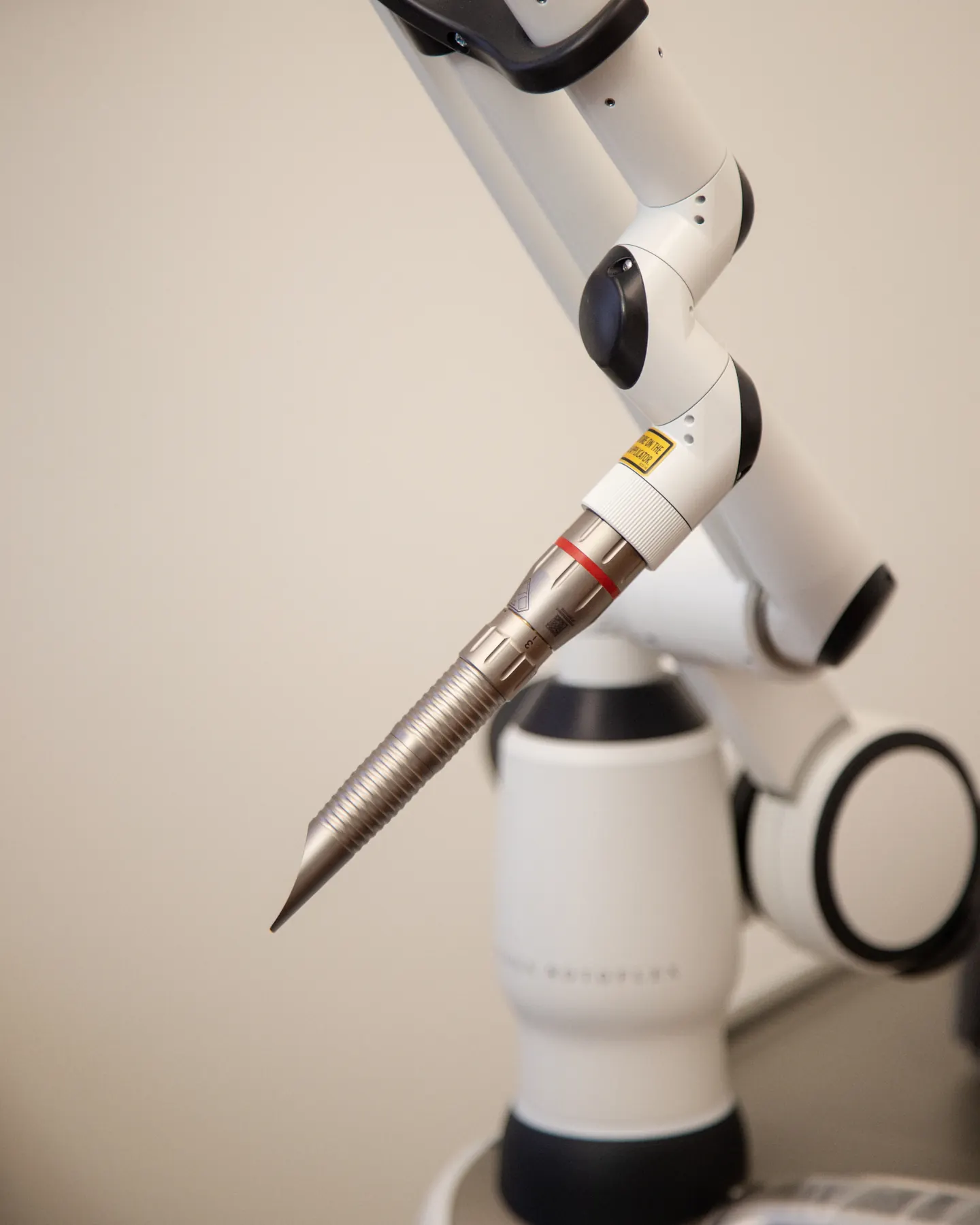
Patients rarely come in asking for a laser because they want a laser. They come in because they see something in the mirror that feels slightly off from how they look rested, healthy, or vibrant in their own mind. It might be crepey skin around the mouth, a softer jawline, acne scarring that makeup never fully covers, or a dull texture that makes the face look tired by noon. The question is not really, “What device should I use?” It is, “What can realistically improve this without surgery, long downtime, or a treatment plan that takes over my life?”
That is where Fotona 4D enters the conversation. In practices that offer the TimeWalker platform, this treatment has earned attention because it does not approach the skin from only one angle. It combines different laser modes to address tone, texture, laxity, and deeper support in a way that can be tailored rather than standardized. That matters in a place like Encino, where patients often want visible improvement but still need to show up for meetings, school pickup, dinners, workouts, and weekend events without looking heavily treated.
The better question is not whether Fotona 4D Laser Facial (TimeWalker) in Encino, CA is popular. It is what specific concerns it can help, where it shines, and where expectations need to stay grounded.
Why Fotona 4D is different from a basic “laser facial”
A lot of laser facials are really one thing. They may focus mostly on pigment, or mainly on resurfacing, or on mild collagen stimulation. Fotona 4D is designed as a multi-dimensional treatment, which is why it is often described as working both from the inside and outside of the mouth and face. That internal oral mucosa step is one of the features that sets it apart. By treating tissue inside the mouth, the laser can support tightening and volumization in the perioral area and lower face without injectables or surgery.
The “4D” concept refers to four complementary treatment modes that can be combined in one session, depending on the practice’s protocol and the patient’s needs. Some sessions lean harder into tightening. Others focus more on resurfacing and refinement. Experienced providers do not treat every face identically, because a 42-year-old with early laxity and enlarged pores does not need the same settings or goals as a 61-year-old concerned with etched lines and lower-face heaviness.
That flexibility is one reason many patients exploring Fotona 4D Laser Facial (TimeWalker) in Encino, CA find it appealing. It can address several visible concerns in one overall plan instead of chasing each issue separately with a different treatment every month.
Fine lines around the mouth and eyes
One of the most common concerns this treatment can address is fine wrinkling, especially around the mouth. These are the lines patients notice first when lipstick begins to feather, concealer starts settling, or the skin around the lips looks thinner than it used to. Traditional resurfacing can help, but aggressive resurfacing also comes with more recovery, more redness, and a bigger commitment.
Fotona 4D can improve these finer lines by stimulating collagen, remodeling tissue, and refining the surface texture at the same time. Around the eyes, that often translates to skin that looks smoother and less creased when smiling. Around the mouth, the improvement is usually subtler after one session but becomes more noticeable across a series.
This is an area where judgment matters. Deep, static smoker’s lines that have been present for years may improve, but they do not disappear overnight. Patients who expect the skin to look twenty years younger after one treatment are usually disappointed, not because the technology fails, but because the baseline problem is more advanced than they realize. The best results tend to happen when early to moderate wrinkling is treated before it becomes deeply engraved.
Mild to moderate skin laxity in the lower face
Loss of firmness along the jawline and lower cheeks is another strong indication. Many patients describe this stage as “I do not look old, but everything seems a little less sharp.” That is often the perfect window for Fotona 4D. The treatment can help tighten tissue and stimulate support where skin has started to loosen but has not yet crossed into the territory where surgery is the clearest answer.
In real practice, this often means improvement in the appearance of slight jowling, a softer jawline, and a less crisp transition between cheek and lower face. The internal mouth treatment is particularly useful here because it targets tissue support from a direction many external treatments cannot.
There is an important trade-off to discuss openly. If someone has significant skin redundancy, heavier jowls, or pronounced neck laxity, a non-surgical laser can improve skin quality but will not recreate a facelift result. Patients appreciate honesty on that point. TimeWalker can be an excellent bridge treatment for people not ready for surgery, and it can also help maintain results after other treatments, but it is not a substitute for every level of laxity.
Dullness and rough texture
Some of the most satisfying results come from patients whose skin simply looks tired. Not dramatically wrinkled, not severely damaged, just uneven, rough, and lightless. They often tell you their makeup sits poorly or that they look worn out even after sleeping well.
Fotona 4D can improve this kind of overall skin quality. By combining rejuvenation at multiple depths with a resurfacing component, the skin often looks smoother, brighter, and more polished. Pores may appear less obvious. The face can reflect light more evenly. That sounds cosmetic, but it is usually what people mean when they say they want to look “fresh.”
This concern is common in Encino because lifestyle and environmental factors stack up over time. Sun exposure, heat, dehydration, inconsistent skincare, stress, and natural collagen decline all show up first as a loss of radiance. Many patients are not looking for dramatic transformation. They want their skin to look more alive in daylight without relying on filters or heavy foundation. This is a reasonable goal for a treatment like Fotona 4D.
Acne scars and post-acne textural changes
Acne scarring is one of the harder concerns in aesthetics because not all scars behave the same way. Rolling scars, shallow boxcar scars, enlarged pores, and generalized unevenness can respond well to collagen-inducing laser treatments. Ice pick scars and more severe atrophic scarring are a different conversation and often need combination therapy.
With Fotona 4D, the resurfacing and remodeling components can improve the look of mild to moderate textural acne changes. Patients often see the skin become more even and less shadowed, especially when the scars are shallow and spread across the cheeks. The result is not just smoother skin on close inspection, but a more uniform look from conversational distance, which matters more in day-to-day life.
This is where practical counseling helps. If the skin has active acne, that should usually be stabilized first. If there is both redness and indentation, a provider may recommend staging treatment or combining approaches over time. Laser work can make a meaningful difference, but the best plans are built around scar type, skin tone, inflammation history, and tolerance for downtime.
Enlarged pores and crepey skin
Patients use the word “pores” for several different complaints. Sometimes they mean true enlarged pores around the nose Fotona 4D Laser Facial (TimeWalker) Encino, CA and cheeks. Sometimes they mean a rough, orange-peel texture. Sometimes they mean thin, crepey skin that no longer looks taut. Fotona 4D can help with all three, though not identically.
When the issue is enlarged pores linked to oiliness and texture, the resurfacing component can refine the surface and improve how the skin reflects light. When the issue is crepey thinning, especially around the cheeks and mouth, collagen stimulation and tightening become more important. In both cases, the skin often looks more refined after healing settles.
This matters because pore treatments are notoriously oversold. No laser permanently “shrinks” pores in the absolute sense. What it can do is improve the skin structure around them so they appear smaller and less obvious. For the right patient, that distinction still leads to a result they are very happy with.
Early signs of perioral volume loss
A subtle but valuable use of Fotona 4D is in the area around the mouth, where aging often shows up as flattening, folding, and thinning long before patients are ready for filler or surgery. Because part of the treatment is performed inside the mouth, it can support the tissue in a way that improves the look of nasolabial folds and perioral wrinkles without adding volume in the traditional filler sense.
This tends to appeal to patients who want to avoid an overfilled appearance. They are not asking for bigger cheeks or more projection. They want the lower face to look stronger and the mouth area less collapsed. In the best cases, the change is elegant rather than obvious. Friends may comment that the patient looks rested, not that they look “done.”
It is worth noting that if volume loss is substantial, laser tightening alone may not be enough. Some faces need support from multiple angles, including biostimulatory injectables, filler, or energy-based skin tightening on a broader schedule. Still, for the patient with early change and a preference for gradual improvement, TimeWalker is often a very sensible choice.
Sun damage and uneven skin quality
Encino patients are no strangers to cumulative sun exposure. Even people who wear sunscreen now often spent years driving, hiking, playing tennis, walking the dog, or simply living under Southern California light without much protection. The result is not always dramatic pigmentation. More often it shows up as a roughened texture, fine wrinkling, dryness, and a leathery cast that makes the face look older than its age.
Fotona 4D can help improve the visible effects of this kind of photoaging, particularly when the issue is texture, laxity, and superficial lines. It is less a brown-spot eraser than a quality-restoration treatment. Patients with mixed concerns often appreciate that distinction once it is explained. If pigment is their main issue, another laser or a targeted pigment strategy may be added. If the skin looks weathered overall, Fotona 4D is often much more relevant.
A good consultation separates discoloration from textural aging, because those are related but not identical problems. Many people assume they need one treatment for “sun damage,” when in reality they have three separate concerns hiding under that label.
Who tends to be a good candidate
The best candidates are usually people with mild to moderate signs of aging who want noticeable improvement without surgical downtime. They tend to be realistic, consistent, and open to a series rather than expecting a one-time miracle. Skin tone, history of melasma, active inflammation, and recent tanning all matter, so candidacy should be individualized.
Some concerns respond especially well when they appear together. A patient with early jowling, fine lines around the mouth, and rough skin texture often gets more out of Fotona 4D than someone whose only issue is a single deep fold or very heavy lower-face descent. Combination concerns are where this technology often proves its value.
A provider may look for these patterns when deciding whether Fotona 4D Laser Facial (TimeWalker) in Encino, CA is a strong fit:
- early to moderate laxity rather than severe tissue sagging
- fine lines, crepey texture, or dullness that need collagen support
- acne scarring or enlarged pores that are mild to moderate
- interest in natural-looking improvement with limited downtime
- willingness to complete a series and maintain results over time
What treatment and recovery usually feel like
Patients often want to know the reality, not the brochure version. During treatment, the sensation varies by mode. Some parts feel warm and tightening. The resurfacing portion can feel sharper, similar to quick snaps of heat. The internal oral step sounds unusual at first, but most patients tolerate it well. Numbing protocols and cooling depend on the provider’s approach and the settings used.
Afterward, the skin may look pink or flushed, and there can be mild swelling, warmth, or a sandpapery feel for a few days. Makeup timing depends on the intensity of the session. Some patients are comfortable returning to routine quickly, while others prefer to keep social plans light for a short window. The bigger gains usually come from a series, often spaced weeks apart, because collagen remodeling takes time.
One of the reasons busy adults in Encino ask about this treatment is that it generally threads the needle between efficacy and recoverability. It asks something of you, but not everything.
What results are realistic, and when do they show up?
The first changes many patients notice are not dramatic lifting. They are smoother texture, a brighter surface, and a slightly firmer feel. More structural improvement tends to develop over several weeks to months as collagen remodeling progresses. This delayed payoff is common with energy-based treatments and worth understanding before starting.
Most experienced providers underpromise single-treatment outcomes, especially for laxity. A series is usually where the face begins to look consistently better rather than temporarily refreshed. Maintenance matters too. Skin continues aging, and no laser permanently stops that process.
A useful way to think about results is this: Fotona 4D often helps patients look like a better version of themselves, not like a different person. For many people, that is exactly the point.
When another treatment may be better
Professional judgment matters most when the answer is “not this.” If the main complaint is significant brown pigmentation, vascular redness, or melasma, another laser or light-based option may be more appropriate. If laxity is advanced, surgery may produce a far more satisfying outcome. If there is major volume loss, biostimulatory treatments or filler could play a larger role.
That does not mean Fotona 4D has no place in those cases. It may still improve skin quality as part of a broader plan. But it should not be sold as the sole answer to every concern. The strongest aesthetic outcomes usually come from matching the technology to the biology, not forcing the biology to fit the device.
Questions worth asking at your consultation
A consultation should feel specific, not generic. If every patient is offered the same package without Fotona 4D Laser Facial (TimeWalker) Encino, CA a careful skin assessment, that is a warning sign. Good providers talk through candidacy, limitations, expected downtime, and whether your concern is primarily texture, pigment, laxity, scarring, or volume loss.
A few practical questions can make the conversation more useful:
- Which of my concerns is this treatment most likely to improve?
- How many sessions do you typically recommend for skin like mine?
- What kind of downtime should I expect with your settings?
- Are there reasons another treatment would fit my goals better?
- How will we maintain results after the initial series?
The bottom line for Encino patients
For the right patient, Fotona 4D can treat a surprisingly broad range of concerns: fine lines, crepey skin, enlarged pores, mild acne scars, early skin laxity, rough texture, dullness, and age-related changes around the mouth and lower face. It is especially useful when the goal is to improve skin quality and firmness together, rather than chasing one isolated flaw.
The real value of Fotona 4D Laser Facial (TimeWalker) in Encino, CA is not that it promises everything. It is that it can address several common signs of facial aging in a measured, layered, and relatively low-downtime way. When used thoughtfully, it gives patients what many actually want, which is not an artificial transformation, but skin that looks stronger, smoother, and more like it belongs to a well-rested version of themselves.
OMNIA Wellness Center
16430 Ventura Blvd Ste 207, Encino, CA 91436
Phone: +1 818-386-8511
FAQ About Fotona 4D Laser Facial (TimeWalker) Encino, CA
What is a Fotona laser good for?
Fotona lasers support several different aesthetic protocols. The Fotona 4D facial uses two wavelengths and four treatment modes to address concerns such as fine lines, skin texture, and mild laxity. OMNIA Wellness Center offers the TimeWalker facial with an individual consultation. Suitability and likely improvement depend on the person's skin and goals; results are not guaranteed, and this treatment does not reproduce a surgical facelift.
How much does a Fotona laser treatment cost?
The cost depends on the treatment protocol, areas treated, number of sessions, and provider's assessment. Ask OMNIA Wellness Center for a current written quote that explains what is included, whether follow-up is included, and any proposed package terms. An individualized estimate is more useful than assuming that one advertised price applies to every facial treatment.
How much downtime is there after a Fotona laser procedure?
Recovery varies with the specific protocol and intensity. Fotona describes its 4D facial as having little to no downtime, but temporary redness or sensitivity can occur, and a stronger surface treatment can require more recovery. Ask the treating clinician what to expect from the planned settings, how to care for the skin afterward, and when to contact the clinic with concerns.